National Insurance Explained — 2026/27 Guide
Recommended Gear
Sponsored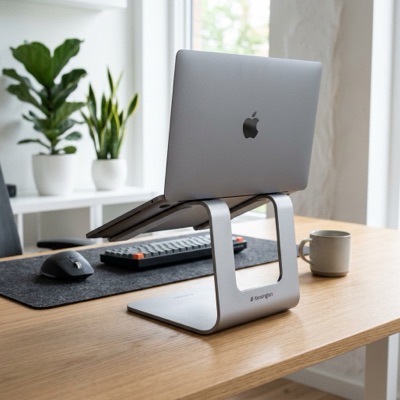
Premium Laptop Stand
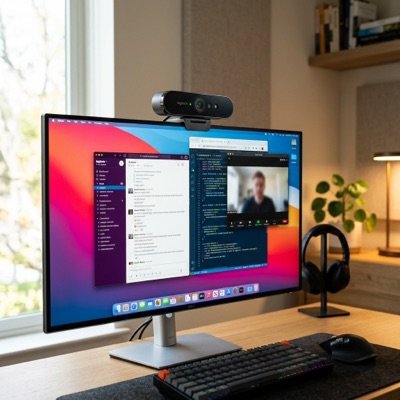
4K HD Webcam
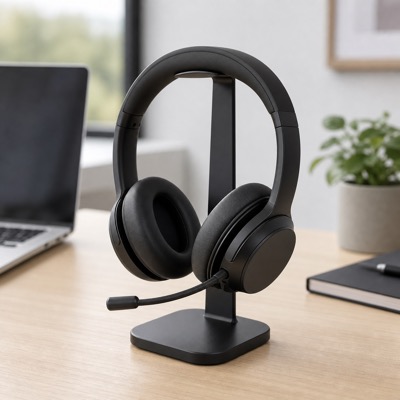
Wireless Headset
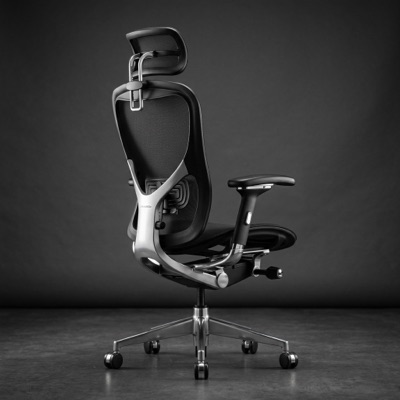
Ergonomic Office Chair
Standing Desk
Storage Cabinet

Book Case

L Shaped Gaming Desk
Weigh Scale
* As an Amazon Associate we earn from qualifying purchases. 100% curated for career growth.
National Insurance (NI) is a tax on earnings that funds state benefits including the State Pension, NHS, and statutory pay entitlements. It's separate from income tax — both come out of your pay via PAYE.
Employee Class 1 NI Rates — 2026/27
| Earnings | NI Rate | Name |
|---|---|---|
| Up to £12,570 | 0% | Below Lower Earnings Limit |
| £12,571 – £50,270 | 8% | Main Rate |
| Over £50,270 | 2% | Additional Rate |
The main rate was cut from 10% to 8% in April 2024. Scotland and Wales use the same NI rates as England.
Employer NI Contributions 2026/27
Your employer pays 13.8% employer NI on your earnings above £5,000 (the Secondary Threshold, reduced from £9,100 from April 2025). This is a separate cost to your employer — it doesn't come out of your pay directly, but it affects what employers can afford to pay in wages.
Real-World NI Examples
- £26,000 salary: NI = 8% × £13,430 = £1,074/year (£89.50/month)
- £40,000 salary: NI = 8% × £27,430 = £2,194/year (£183/month)
- £60,000 salary: NI = (8% × £37,700) + (2% × £9,730) = £3,211/year (£268/month)
Use our calculator for your exact NI figure →
What Does NI Fund?
- State Pension: You need 35 qualifying years of NI to get the full new State Pension (£221.20/week in 2026/27). Gaps in your record can be voluntarily filled.
- NHS: A portion of NI receipts funds the National Health Service.
- Statutory Maternity Pay (SMP)
- Statutory Sick Pay (SSP)
- Contribution-based Jobseeker's Allowance
NI and Salary Sacrifice
One little-known benefit of salary sacrifice pension schemes: contributions reduce your NI-liable earnings. For example, if you sacrifice £2,000 of salary into your pension on a £35,000 income, your NI is calculated on £33,000 instead of £35,000 — saving around £160 in employee NI per year. Your employer also saves NI, and many pass some of that saving into your pension.
Self-Employed NI Rates
| Class | Profits | Rate |
|---|---|---|
| Class 2 | Over £12,570 | £3.45/week |
| Class 4 | £12,571 – £50,270 | 6% |
| Class 4 | Over £50,270 | 2% |
Frequently Asked Questions
Career & Office Gear
Office Gear
Premium Laptop Stand
Ergonomic aluminum stand for better posture and cooling.
Office Gear
4K HD Webcam
Professional video quality for meetings and streaming.
Office Gear
Wireless Headset
No hassle of wires, attend meetings from anywhere
Office Gear
Ergonomic Office Chair
Maximum comfort for long working hours.
Office Gear
Standing Desk
Stay fit and active while working long hours.
Storage
Storage Cabinet
Stay organized and focused on your goals.
Storage
Book Case
Cheap but best book case you can get
Entertainment
L Shaped Gaming Desk
Enjoy your favourite games and stay organised
Lifestyle
Weigh Scale
Keep a track on your fitness and health