UK Income Tax Explained — 2026/27 Guide
Recommended Gear
Sponsored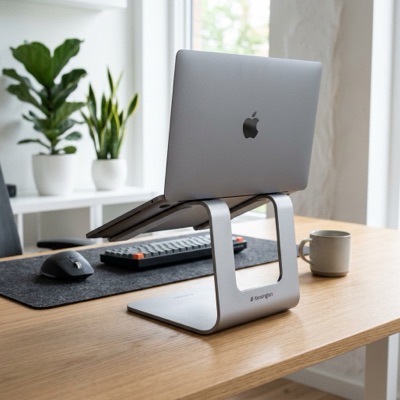
Premium Laptop Stand
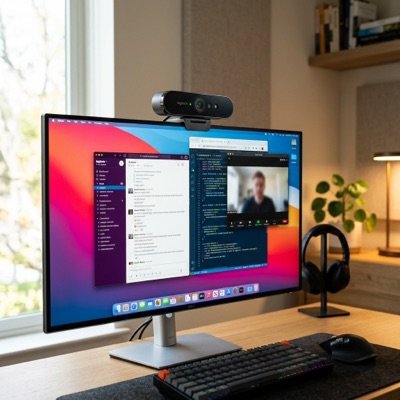
4K HD Webcam

Wireless Headset
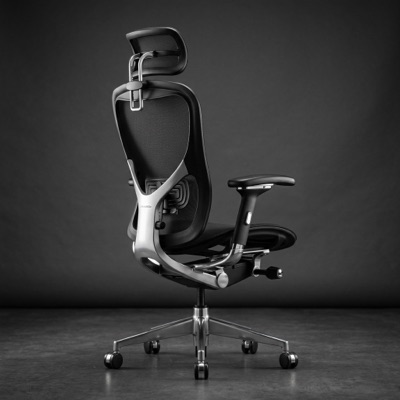
Ergonomic Office Chair
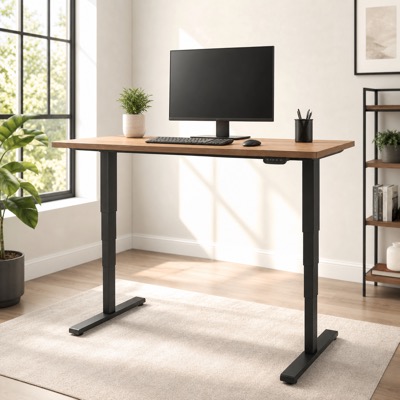
Standing Desk

Storage Cabinet

Book Case

L Shaped Gaming Desk
Weigh Scale
* As an Amazon Associate we earn from qualifying purchases. 100% curated for career growth.
Income tax is charged on your earnings above the personal allowance. The UK uses a banded system — you pay higher rates only on the portion of income that falls in each band, not on your whole salary.
Personal Allowance 2026/27
The personal allowance is £12,570 for 2026/27. It has been frozen at this level since April 2021 and is set to remain frozen until at least April 2028 — a stealth tax as wage growth pushes more people into higher bands.
If you earn over £100,000, your allowance is reduced by £1 for every £2 above that threshold. It reaches zero at £125,140, creating an effective 60% marginal tax rate on income between £100,000 and £125,140.
Income Tax Bands — England, Wales & Northern Ireland
| Band | Taxable Income | Rate |
|---|---|---|
| Personal Allowance | Up to £12,570 | 0% |
| Basic Rate | £12,571 – £50,270 | 20% |
| Higher Rate | £50,271 – £125,140 | 40% |
| Additional Rate | Over £125,140 | 45% |
Scotland Income Tax Bands 2026/27
Scotland has its own income tax bands set by the Scottish Government. Scottish taxpayers pay different rates on different thresholds:
| Band | Taxable Income | Rate |
|---|---|---|
| Personal Allowance | Up to £12,570 | 0% |
| Starter Rate | £12,571 – £16,537 | 19% |
| Basic Rate | £16,538 – £29,526 | 20% |
| Intermediate Rate | £29,527 – £43,662 | 21% |
| Higher Rate | £43,663 – £75,000 | 42% |
| Advanced Rate | £75,001 – £125,140 | 45% |
| Top Rate | Over £125,140 | 48% |
Real-World Examples
- £26,000 salary: Taxable income = £13,430. Tax = £2,686 at 20%. Monthly take-home roughly £1,840. Full £26,000 breakdown →
- £48,000 salary: Taxable income = £35,430. Tax = £7,086 at 20%. Monthly take-home roughly £3,173. Full £48,000 breakdown →
- £60,000 salary: Enters higher rate band. Tax = £11,432 (20% on £37,700 + 40% on £9,730). Monthly take-home roughly £3,780. Full £60,000 breakdown →
What Counts as Taxable Income?
Income tax applies to:
- Wages and salary from employment
- Self-employment profits
- Most pension income
- Rental income (after allowable expenses)
- Interest and dividends above the relevant allowances
- Benefits in kind above threshold
Pension contributions (salary sacrifice), Gift Aid donations, and professional subscriptions can reduce your taxable income.
How Tax is Collected
For employees, income tax is collected automatically via PAYE (Pay As You Earn). Your employer uses your tax code (e.g., 1257L) to calculate how much to deduct each pay period. If your code is wrong, you could be overpaying or underpaying — check it on your payslip or via your HMRC personal tax account.
Self-employed people pay via Self Assessment, submitting a tax return each year by 31 January.
Frequently Asked Questions
Career & Office Gear
Office Gear
Premium Laptop Stand
Ergonomic aluminum stand for better posture and cooling.
Office Gear
4K HD Webcam
Professional video quality for meetings and streaming.
Office Gear
Wireless Headset
No hassle of wires, attend meetings from anywhere
Office Gear
Ergonomic Office Chair
Maximum comfort for long working hours.
Office Gear
Standing Desk
Stay fit and active while working long hours.
Storage
Storage Cabinet
Stay organized and focused on your goals.
Storage
Book Case
Cheap but best book case you can get
Entertainment
L Shaped Gaming Desk
Enjoy your favourite games and stay organised
Lifestyle
Weigh Scale
Keep a track on your fitness and health