UK Tax Codes Explained — What Your Code Means
Recommended Gear
Sponsored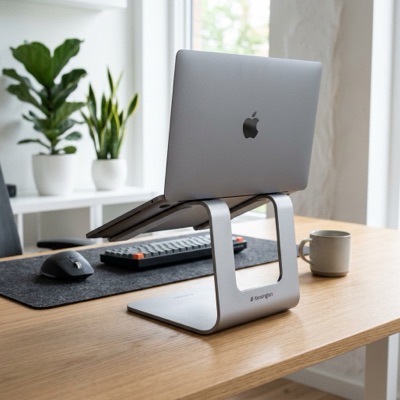
Premium Laptop Stand
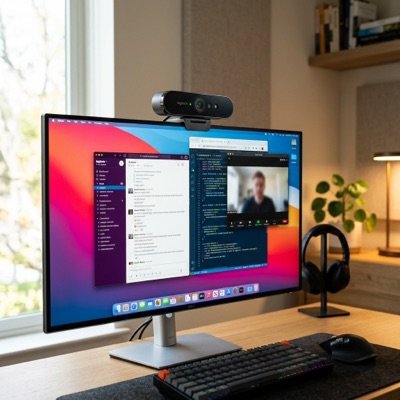
4K HD Webcam
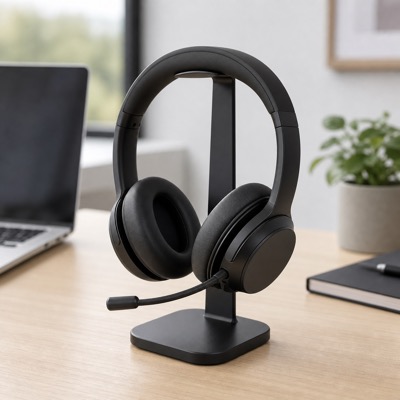
Wireless Headset
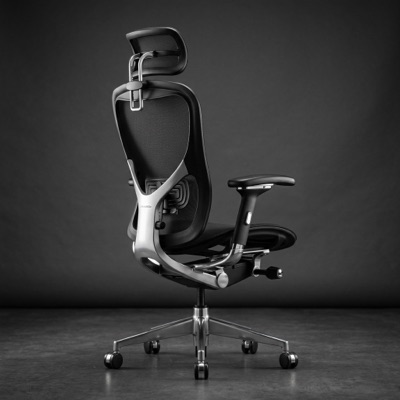
Ergonomic Office Chair
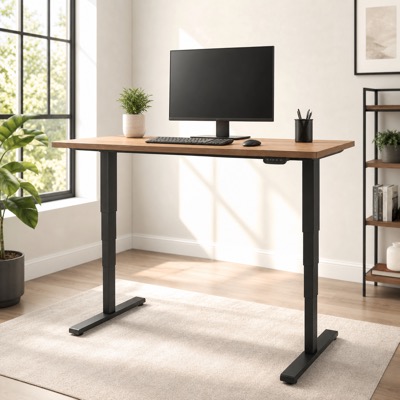
Standing Desk
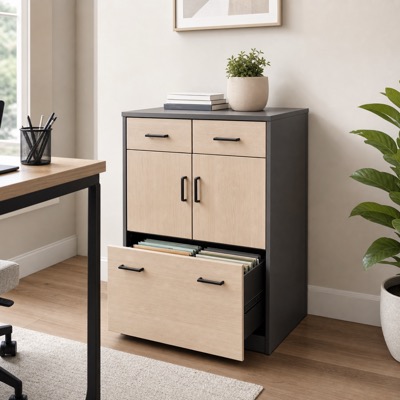
Storage Cabinet

Book Case

L Shaped Gaming Desk
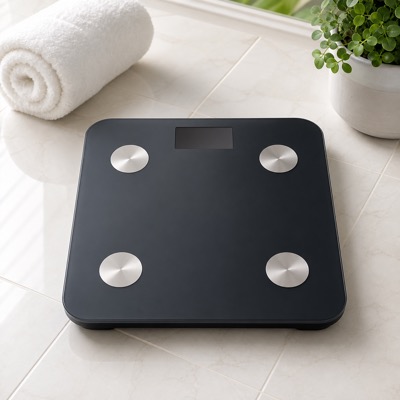
Weigh Scale
* As an Amazon Associate we earn from qualifying purchases. 100% curated for career growth.
Your tax code tells your employer how much income tax to deduct each pay period. It's issued by HMRC and shown on your payslip, P45, and P60. Getting it wrong — even by one digit — can mean over- or under-paying tax.
How Tax Codes Work
Most tax codes consist of a number followed by a letter. The number represents your tax-free income divided by 10. The letter defines the type of allowance or adjustment being applied.
Example: 1257L
Number 1257 × 10 = £12,570 personal allowance. Letter L = standard allowance. So you earn £12,570 before paying any tax — standard for most UK employees in 2026/27.
Common Tax Code Letters
| Letter | Meaning |
|---|---|
| L | Standard personal allowance (most employees) |
| M | Marriage Allowance received — 10% of partner's allowance transferred to you |
| N | Marriage Allowance transferred away to partner |
| T | HMRC needs to review your tax — allowance in review |
| 0T | Personal allowance used up or you've not given P45 to new employer |
| BR | All income taxed at 20% basic rate — no personal allowance (usually second jobs) |
| D0 | All income taxed at 40% higher rate |
| D1 | All income taxed at 45% additional rate |
| NT | No tax is deducted |
Prefix Letters
| Prefix | Meaning |
|---|---|
| S | Scottish income tax rates apply (e.g., S1257L) |
| C | Welsh income tax rates apply (e.g., C1257L) |
| K | Deductions exceed your allowance — taxable income is increased (e.g., K475) |
Emergency Tax Codes
If HMRC doesn't have full information about your income — for example, you've just started a new job without providing a P45 — they may issue an emergency code:
- 1257L W1 — taxed on a weekly non-cumulative basis
- 1257L M1 — taxed on a monthly non-cumulative basis
- 1257L X — non-cumulative, period unspecified
- BR — all earnings taxed at 20% with no personal allowance
Emergency codes can cause over-taxation because they don't account for tax paid earlier in the year. Once HMRC has the correct details, your code is updated and any overpaid tax is refunded — usually via a lower deduction in subsequent months or a rebate at year end.
K Codes Explained
A K code means your total deductions (company benefits, tax owed, etc.) exceed your personal allowance. Instead of reducing your taxable income, HMRC adds the excess to your income for tax purposes.
Example: K475
Your deductions exceed your allowance by £4,750 (475 × 10). Your taxable income is increased by £4,750 above your actual earnings. This results in significantly more tax being deducted each month.
Why Your Code Might Change
- Starting a new job or second job
- Receiving company benefits (car, accommodation)
- Underpaying tax in a previous year
- Claiming Marriage Allowance
- Receiving state benefits that are taxable (e.g., State Pension)
- Income from investments or property above threshold
How to Check or Change Your Tax Code
Check your current tax code on your payslip, P60, or P45. If you think it's wrong:
- Sign in to your HMRC personal tax account at gov.uk and use "Check your income tax"
- Call HMRC on 0300 200 3300 (have your NI number ready)
- Write to HMRC — the address is on any tax code notice you've received
HMRC will issue a new code directly to your employer. You do not update it yourself — your employer only uses codes issued by HMRC. Any overpaid tax is usually corrected within the same tax year through lower future deductions, or refunded after April.
Frequently Asked Questions
Career & Office Gear
Office Gear
Premium Laptop Stand
Ergonomic aluminum stand for better posture and cooling.
Office Gear
4K HD Webcam
Professional video quality for meetings and streaming.
Office Gear
Wireless Headset
No hassle of wires, attend meetings from anywhere
Office Gear
Ergonomic Office Chair
Maximum comfort for long working hours.
Office Gear
Standing Desk
Stay fit and active while working long hours.
Storage
Storage Cabinet
Stay organized and focused on your goals.
Storage
Book Case
Cheap but best book case you can get
Entertainment
L Shaped Gaming Desk
Enjoy your favourite games and stay organised
Lifestyle
Weigh Scale
Keep a track on your fitness and health